
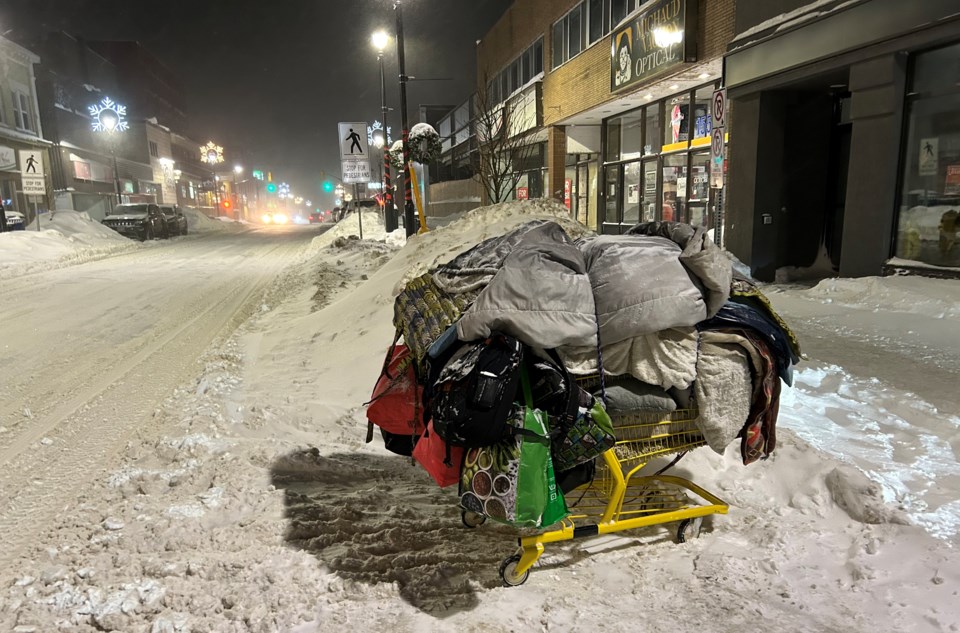
Northern Ontario’s health system is facing unprecedented pressure as rising homelessness and unmet mental health needs strain emergency departments, a new report warns.
The report, Protecting Northern Ontario for 1.3 cents on the dollar, highlights the growing gap between available community-based supports and the region’s mental health and addictions needs.
Public health data shows northern communities experience mental health and substance use-related emergency visits up to four times higher than the provincial average.
Experts say the problem is compounded by a shortage of affordable housing. Average wait times for community housing have increased nearly 50 per cent since 2023, now exceeding five years in some areas. More than 13,000 people are currently on housing waitlists.
Mary Davis, CEO of Canadian Mental Health Association (CMHA) North Bay and District, says emergency departments are not designed to provide long-term recovery support.
“Emergency departments have become the default support for those experiencing mental health challenges in many northern communities,” she said.
“These services are essential, but they are not designed to provide the long-term, recovery-oriented supports people need to remain well, housed, and connected to their communities.”
The report, produced by HelpSeeker Technologies with CMHA Ontario and the northern Ontario Service Deliverers Association, projects homelessness in the region could more than double by 2035 if no action is taken.
A targeted investment of roughly $435 million—about 1.3 cents for every dollar generated by northern Ontario’s $34.6-billion economy—could help slow the growth of homelessness, reduce pressure on hospitals and shelters, and support a more stable workforce, according to officials.
Davis emphasized that housing without mental health and addiction supports can worsen outcomes and increase costs.
“For individuals living with mental illness or substance use challenges, long waits for housing—particularly housing with embedded supports—significantly increase the risk of crisis, hospitalization and chronic homelessness,” she said.
The report also stresses that integrated community programs, such as assertive community treatment, rapid access addiction medicine clinics, and supportive housing, deliver better outcomes at lower cost.
For northern Ontario, where resource and mining sectors drive much of the economy, these investments are critical.
“Investment in community mental health and addictions supports is an investment in our economic infrastructure,” Davis said.
“It’s not just compassionate; it’s fiscally responsible and essential to northern Ontario’s long-term prosperity.”