


Editor’s note: This story includes some graphic descriptions of a murder that some people may find disturbing.
A Sudbury woman convicted of a killing described “one of the worst possible cases of second degree murder” by the judge in the case will spend 18 years in prison before she is eligible for parole.
Felicity Altiman, 45, was convicted Oct. 23, 2024 of stabbing her neighbour, Robert ‘Bob’ Keskinen 105 times, and mutilating his genitals before removing them and inserting them into his throat, the coroner who testified at trial calling the attack “ferocious.” The murder occurred on Dec. 26, 2020.
In his decision, read to a Sudbury court on Sept. 11, presiding Superior Court Justice R. Dan Cornell spoke of the backgrounds of both the victim and Altiman before describing her crime as filled with “excessive, extended, abnormal violence” with actions that were “brutal, cruel” and “senseless.”
Cornell spoke of Keskinen as a “vulnerable victim,” an older man with severe health problems who was also inebriated at the time of the attack.
He also spoke of the “violation of Mr. Keskinen’s sexual integrity,” which occurred after Keskinen’s death, said the post-mortem. “That is indignity to a body, which is a crime in and of itself.”
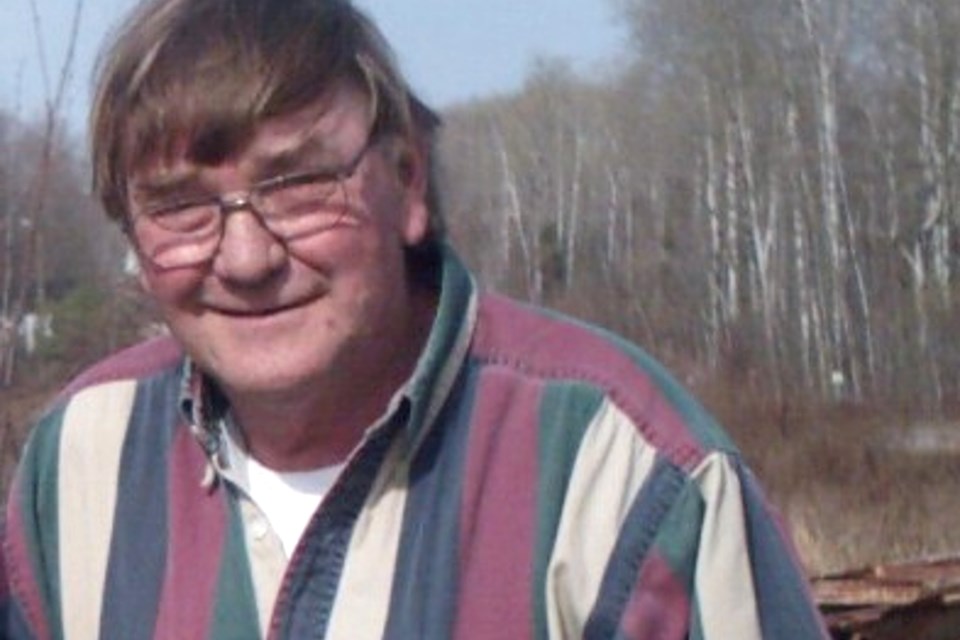
During victim impact statements, read before the court and Altiman on June 30, Keskinen’s brother Edward said, “[Robert] had a heart filled with kindness and a spirit that lifted everyone around him, whether it was the way he smiled or looked out for others."
However, “we are not seeking vengeance," he said at the time. “We are seeking justice, accountability and to know that his death was not in vain.”
As part of sentencing considerations, Altiman was afforded a pre-sentence report, a guidance document prepared by a probation officer. Because Altiman is First Nations (from Walpole Island First Nation), she was entitled to a Gladue Report, which is similar to a pre-sentence report, but specifically used for Indigenous people who have been convicted of a crime.
In it, not only was it clear that Altiman had a tumultuous childhood, and raised in a family that was “abusive” said the report, it was a childhood that saw her kidnapped and forcibly confined for three years while she was sexually assaulted by both her father and uncle. A history that assistant Crown attorney Kaely Whillans described as “among the worst examples of the impact of colonialism.”
She has 64 convictions on her criminal record, and “has never held gainful employment,” said Cornell, noting her lack of education (only completing up to Grade 9). He said her HIV-positive status as the reason for her disability pension.
However, Cornell said the lack of clear motive in this crime was an aggravating circumstance, as was the fact that it was “inexplicable brutal killing.”
The judge said he found “no ambiguity of fact” in the jury’s findings of guilt, and that the evidence was clear. He also detailed the jury’s parole recommendations before announcing his own decision.
Of the jury members: one recommended 10 years before parole; two said 15; one said 17; one said 18; five said 20 and one said 25.
Cornell said after taking all evidence, mitigating and aggravating factors, as well as the pre-sentence reports and Altiman’s expressions to the court after sentencing submissions — she told Kesakinen’s family she was sorry for the pain she caused and that she hoped one day they could forgive her — she would serve 18 years.
She also must submit a DNA sample, has a lifetime weapons prohibition and is not to contact any witnesses from trial or the victim's family.
She stood as the decision was read, tissue in hand. The handcuffs were placed on her once again and tears fell down her cheeks as she was led from the court.
Jenny Lamothe covers court for Sudbury.com.