


Two municipally owned properties have been earmarked for potential affordable housing developments, including a six-acre tract in Minnow Lake and 11.5 acres in Azilda.
During Monday’s planning committee of city council, the city’s elected officials OK’d staff direction to pursue associated zoning changes and for the lands to be declared surplus.
This process is anticipated to take several months and include two rounds of public hearings.
By the end, city Planning Services director Kris Longston said, the lands will be “shovel-ready” for the development of affordable housing.
“That may be next year, that may be 10 years from now ... but you’ve eliminated all those steps that may delay a project,” he explained.

These measures help “de-risk” properties, meeting chair and Ward 10 Coun. Fern Cormier said, noting that senior levels of government often want “skin in the game” from municipalities, which free, ready-to-develop land, is an example of.
According to the city’s land-banking summaries released for Monday’s meeting, there’s room for 417 potential units on the Azilda property and 218 units in Minnow Lake.
City senior planner Melissa Riou cautioned that once they’ve factored in such things as site designs and stormwater management, these numbers are likely to drop “slightly.”
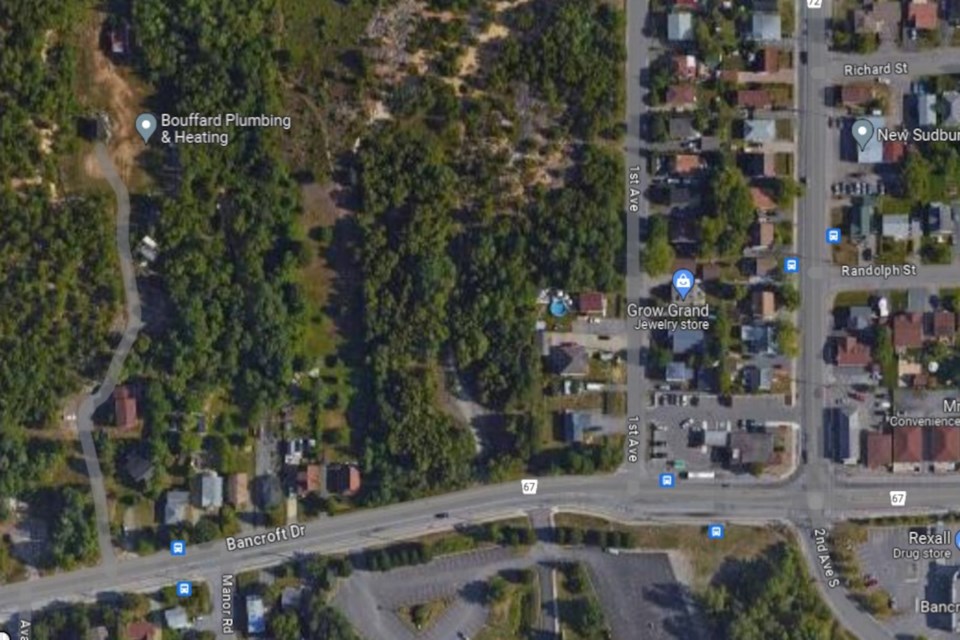
The city purchased the Minnow Lake property from the Sudbury Catholic District School Board last year. It’s located northwest of Bancroft Drive’s intersection with First Avenue, and is directly east of a property city council approved a 40-unit row housing development on in April.
A municipal affordable housing assessment notes that the property abuts GOVA Transit routes, and has sufficient infrastructure to accommodate a multi-residential development.
The Azilda property is directly north of the Lionel E. Lalonde Centre, and is currently occupied by soccer fields and track. It’s approximately 230 metres from Route 104 Azilda/Chelmsford, and has sufficient infrastructure to accommodate a multi-residential development.
Ward 4 Coun. Pauline Fortin represents Azilda on city council, and clarified that while she was OK with proceeding with subsequent municipal reports, they’d better answer some key questions.
In response to Fortin’s inquiry, Longston affirmed that the report would outline user numbers and potential replacement plans for the soccer fields, while subsequent development applications would fill in perceived gaps surrounding active infrastructure.
Fortin described the area as having “crumbling roads with no paved shoulders or sidewalks,” which she said needs to be resolved, particularly if 417 residential units were added to the area.
She also asked whether other city-owned properties were being investigated, flagging another site at the end of Maple Street as carrying potential.
There are many municipal properties on their radar, Riou said, adding that the Minnow Lake and Azilda properties reached the top of the pile due to the fact they’re in areas in high demand, in close proximity to GOVA Transit, schools, health-care services and retail areas. Big points also go to the fact they’re presently serviced and able to accommodate proposed units.
Various other lands are being reviewed to be included in future reports.
The city’s actions to line these properties up for affordable housing units follows their Affordable Housing Land Banking Strategy, under which the city strives to create shovel-ready properties for affordable housing. The city’s affordable housing stock currently falls well short of demand.
When the city purchased the Minnow Lake property from the Sudbury Catholic District School Board last year, the transitional housing complex property on Lorraine Street was cited as an example of there being few properties readily available for affordable housing development.
City council had only two sites to choose from when selecting a location for the complex in 2021, of which Lorraine Street was best able to meet the project’s requirements.
Tyler Clarke covers city hall and political affairs for Sudbury.com.