

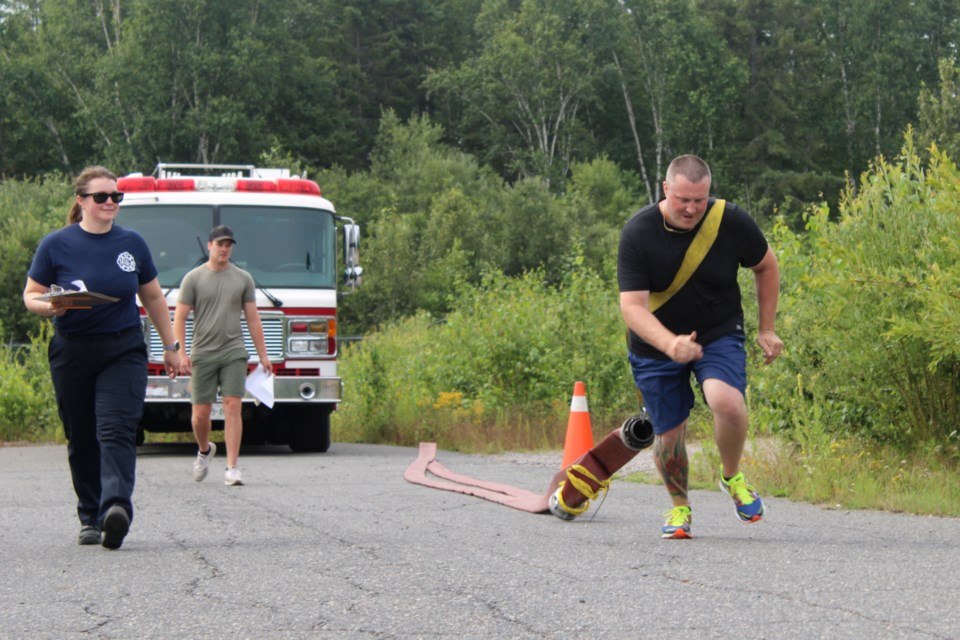
Reducing the number of training hours required to become a volunteer firefighter might appear beneficial for attracting recruits, but would end up causing more harm than good.
This, according to a report by Greater Sudbury Fire Services assistant Deputy Chief Craig Lawrence, drafted for the Dec. 11 community and emergency services committee meeting of city council.
Lawrence’s report comes in reaction to a request by Ward 7 Coun. Natalie Labbée, who argued earlier this year that it’s better to have someone with limited firefighting capabilities respond to a fire quickly than no response coming until a fully trained firefighter crew arrives later.
“In the immediacy, the urgency of a fire ... we’re giving them the opportunity to contain it so it’s not spreading, until backup comes,” she argued at the time.
The push for lessening firefighter training requirements was in response to a drop in the number of volunteer firefighters, which has affected departments to such a degree that it has rendered some departments redundant until their numbers can go back up.
New training requirements have volunteer firefighters undertake a minimum of 280 hours of training during their first two years, which is a significant jump from the previous training requirement of 40 hours.
Although these training requirements can be lessened, it would create a situation where not all firefighters are qualified to perform all of the tasks required of them, forcing areas served by volunteers to rely more heavily on career firefighters.
“While a change in service level may reduce the training burden, it might result in a diminished sense of fulfillment at fire scenes, given the more limited roles our volunteers could perform,” according to Lawrence’s report. “Many joined the service with the anticipation of playing a more active role in emergencies.”
By reducing volunteer firefighters’ qualifications, Lawrence cautioned, “The potential for increased severity of fire incidents due to longer intervention times and diminished fireground effectiveness is a notable risk.”
Although the city may be able to apply a “marginal reduction” of training hours by reducing service levels, Lawrence said it’s “insufficient to improve volunteer recruitment or retention, given the considerable commitment still required.”
Required volunteer firefighter training hours for each service level option following Ontario certification is:
- 180 hours: Exterior attack (basic exterior fire suppression with HAZMAT awareness)
- 230 hours: Exterior attack and hazardous materials.
- 230 hours: Exterior attack and auto extrication.
- 280 hours: Exterior attack, hazardous materials and auto extrication.
“Adhering to the (National Fire Protection Association) standards establishes a strong foundation that protects the health and safety of our firefighters,” according to Lawrence’s report.
“Better training reduces risks of injury or death for each member. Commitment to these standards is not just about compliance, but ensuring that our firefighters, both career and volunteer, are equipped with the knowledge and skills to operate safely and effectively in the dynamic environments they face.”
Tyler Clarke covers city hall and political affairs for Sudbury.com.